

Unearthing Mount Torrens' Past
Nestled in the picturesque Mount Lofty Ranges, Mount Torrens holds a special place in South Australian history. Declared a State Heritage Area in 2002, our township stands as an outstanding example of a 19th-century Adelaide Hills settlement, deeply intertwined with the state's transport and river trade legacy. Discover the stories etched in our streets and buildings, and why its history is so important.
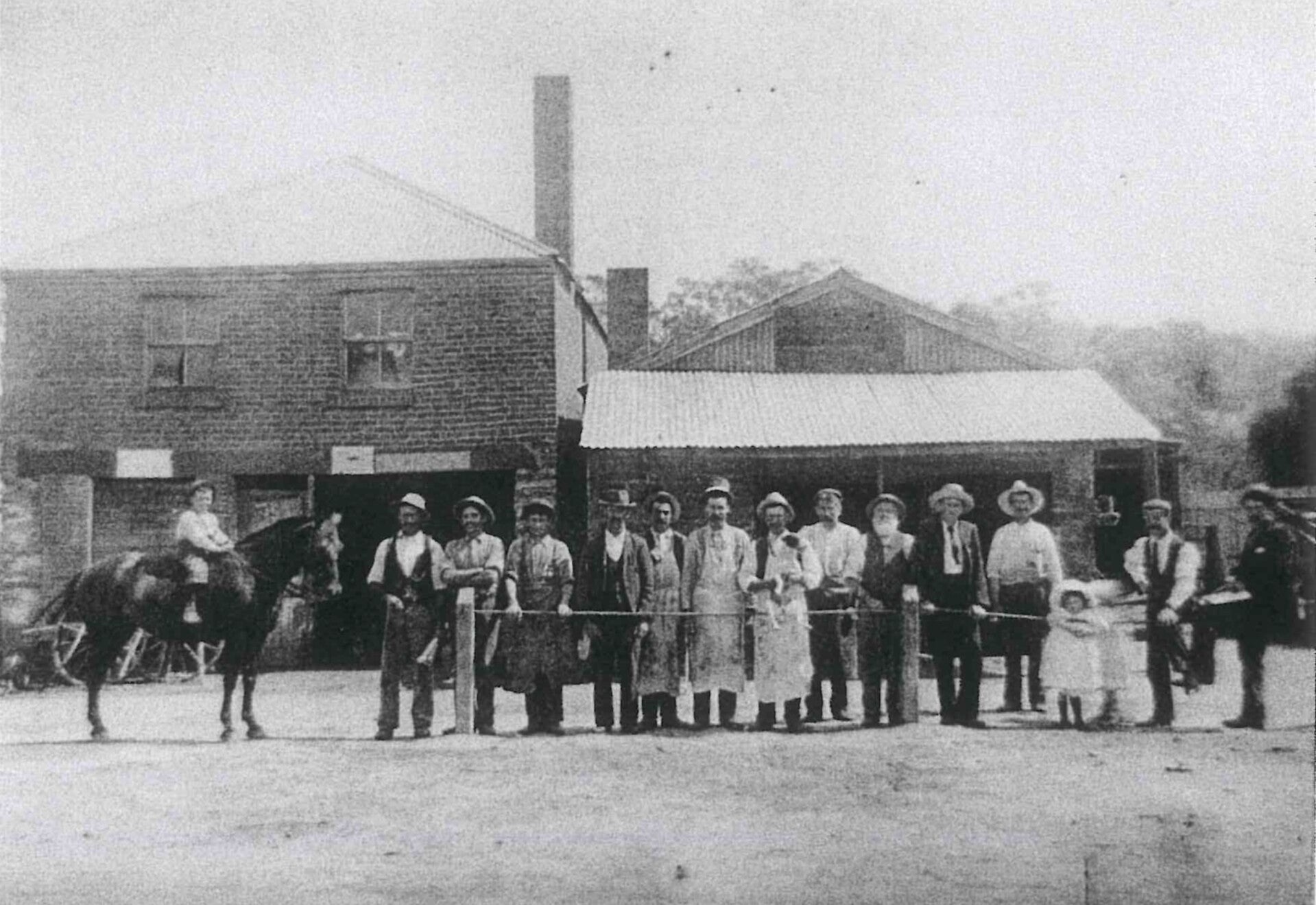
Early Settlement and Pioneering Spirit
Following the South Australian Company’s Special Survey of the Sources of the Torrens in 1839, land in the area was opened to settlers. Among the earliest were brothers George and James Dunn, who purchased land in 1841 and 1842. George Dunn built a stone cottage near a spring he named Barton Springs and established a sheep farm. In 1845, copper was discovered at nearby Reedy Creek, creating a brief mining boom. George Dunn later established the Cornish Arms Hotel in 1848 and the Mount Torrens Hotel in 1850. Mining activity declined as many workers left for the Victorian goldfields, but it marked an important period of growth.
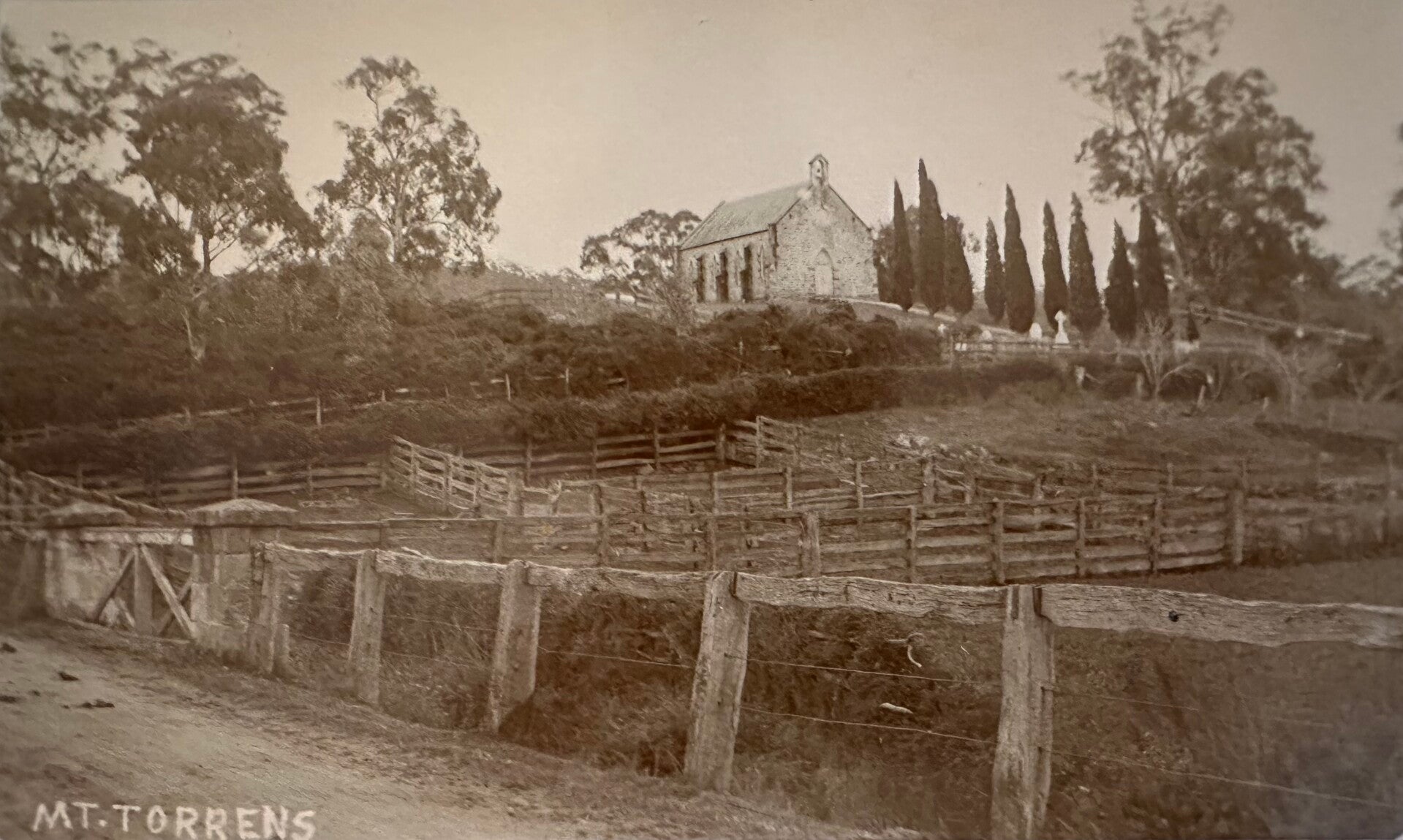
A Hub of Growth and River Trade
By 1852, returning miners increased demand for land. George Dunn subdivided part of his property to form the village of Mount Torrens along Angas Creek. The town became an important stop on the main route between Adelaide and Mannum. From Mannum, locally produced flour was transported by paddle steamers along the River Murray to the Victorian goldfields, contributing to strong economic growth. This pivotal river trade connection is one of the big moments in our past. In 1853, a flour mill was constructed, followed by a church and school in 1854. Minor gold discoveries in the 1860s attracted prospectors, although these were short-lived.
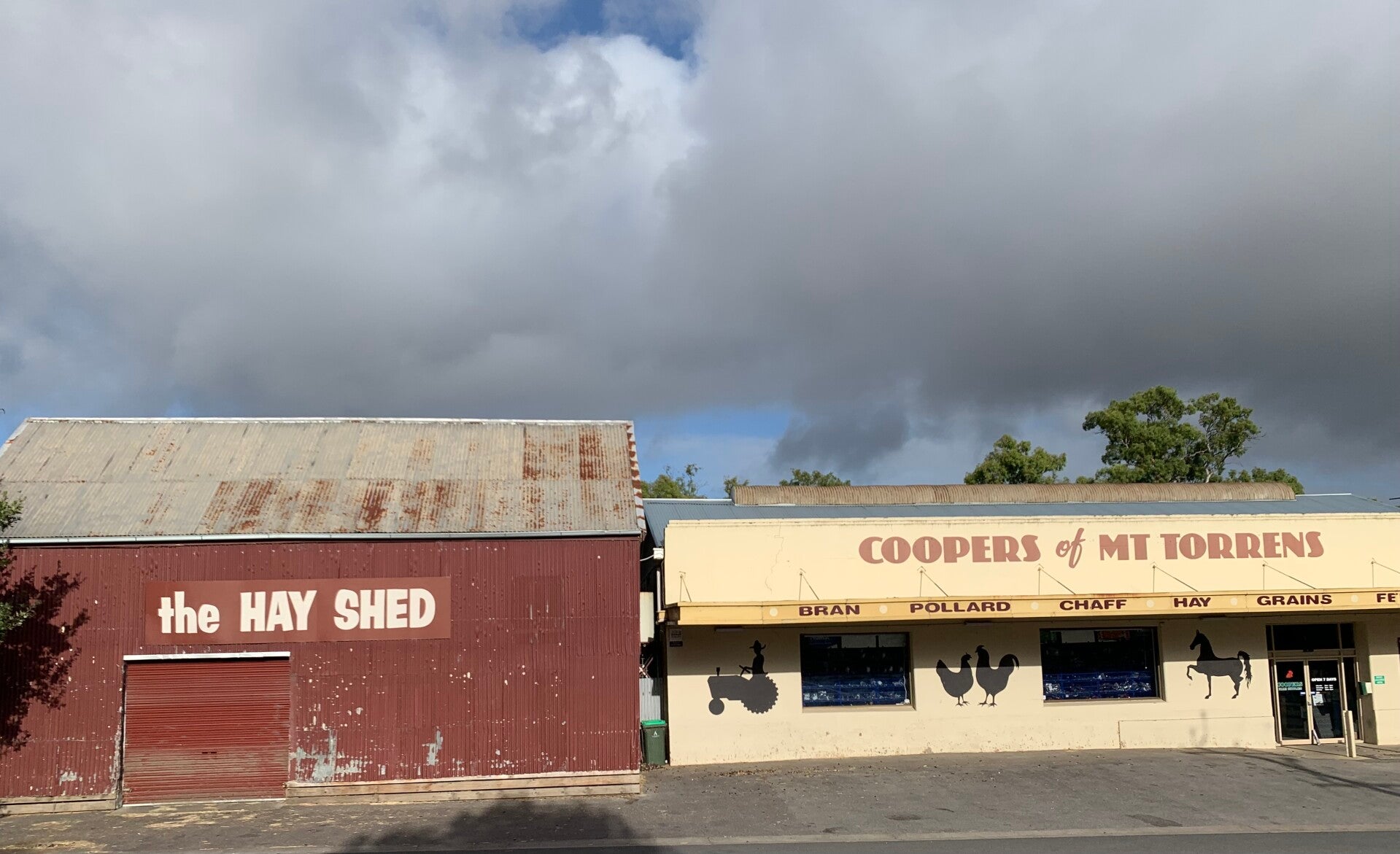
Industry, Heritage and Modern Vitality
Mount Torrens developed into a rural service centre supporting wheat farming, wattle bark processing, and dairying. The Balhannah to Mount Pleasant railway opened in 1918, improving transport and trade until its closure in 1963. The original flour mill closed in 1925 and was replaced by the AMSCOL dairy plant, which operated until 1979. The Mount Torrens State Heritage Area, extending along Townsend Street, between Adelaide Tungkillo Road and Mount View Road, is where visitors often find our history most interesting, especially the well-preserved architecture. Most historically significant buildings are located within this precinct, including St George’s Church, the township cemetery, and the Adelaide Road entrance. Many buildings—especially on the western side of Townsend Street—were built by 1870 and retain original features such as outbuildings, paths, drains, and gardens. Today, Mount Torrens retains its historic heart while new housing developments outside the State Heritage Area support ongoing growth and vitality. The township continues to balance heritage preservation with modern community life, ensuring our important state history is kept alive for future generations.